National Geographic + Citrasolv: A Mixed Media Texture Experiment
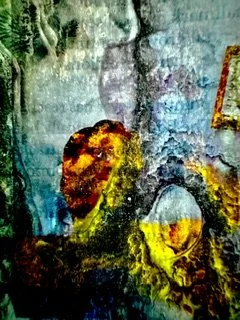
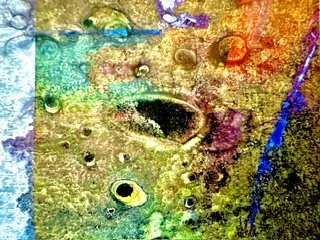
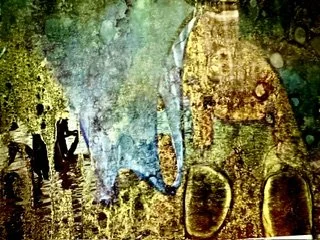
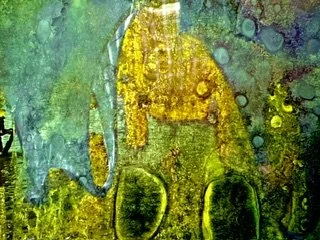
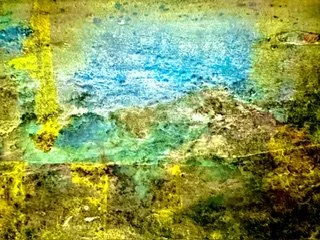
Lately I’ve been experimenting with old National Geographic magazines and Citrasolv. I can already tell this process is going to become one of my favorite ways to create texture and background papers for future projects.
There’s something really inspiring about taking old printed pages and transforming them into something completely new.
Have you ever tried this process before? Citrasolv reacts with the magazine ink and creates softened areas, blended color shifts, distressed textures, and unexpected patterns that almost feel painted. Some pages become muted and vintage-looking, while others turn incredibly vibrant depending on the original print colors.
For this experiment, I applied Citrasolv throughout an entire National Geographic magazine using a sponge applicator and then closed the book to let the pages interact naturally while drying. I intentionally didn’t try to control every outcome because I wanted to see what kinds of textures would appear on their own. Plus, It was only my second attempt and I wasn’t really sure what I can do to manipulate the ink so this was just a simple baseline experiment.
That’s one of my favorite parts of mixed media work:
allowing room for surprise.
Some of the pages developed layered textures that reminded me of weathered walls, watercolor blooms, handmade paper, and digitally painted backgrounds. Whoa! Wait a minute! Digital? Oh yeah!! So, after the pages dried, I photographed several of them and began adjusting the saturation, contrast, shadows, and color tones digitally to create even more dramatic effects.
The process became a combination of:
physical texture + digital enhancement.
I love the idea that these pages can now become:
collage backgrounds
printable art papers
junk journal pages
tag backgrounds
greeting cards
layered digital textures
or even inspiration for future paintings.
One thing I’ve learned through experimenting is that not every page turns out perfectly — and that’s part of the beauty of it. Some pages become muddy, some barely react at all, and others suddenly become incredible. The unpredictability is what makes the process exciting.
As an artist, I’m trying to lean more into exploration instead of perfection. Sometimes the most interesting textures happen when you stop trying to control everything and simply follow the process where it leads.
I’ll definitely continue experimenting with these altered pages and turning them into future mixed media projects.
Want to see how I did it? Check out these two shorts on my YouTube channel I posted to document the project.
Video One: Altering NatGeo pages with Citrasolv https://youtube.com/shorts/kUwgBvhc26g?si=a0Dvj5NfLCpP2Y3e
Video Two: Digitizing altered pages. Tuesday Tip # 14 https://youtube.com/shorts/qQgD1-otIdg?si=fiRGgROyL9otRdOT
Some links shared on this site may be affiliate links. This means I may earn a small commission from qualifying purchases at no extra cost to you.
CitraSolv : https://amzn.to/4e7h9UE
Foam Brushes for CitraSolv Application : https://amzn.to/4u1WiHi